Energy powers economies, industries, transportation networks, and everyday life. From fueling vehicles and aircraft to supporting manufacturing, agriculture, and power generation, petroleum products remain an essential part of the global economy. Behind every reliable fuel supply is an extensive infrastructure that ensures these products are safely stored and readily available when needed. At the centre of this infrastructure are petroleum storage facilities.
Petroleum storage facilities are more than large tanks for holding fuel. They are strategic assets that help governments, businesses, and energy companies maintain a stable supply of petroleum products despite fluctuations in demand, transportation delays, or geopolitical events. As global energy markets become increasingly interconnected, the importance of dependable storage infrastructure continues to grow.
This article explores how petroleum storage facilities contribute to global energy security, why they are indispensable to the energy supply chain, and how modern storage solutions help businesses operate efficiently in an ever-changing market.
Understanding Petroleum Storage Facilities
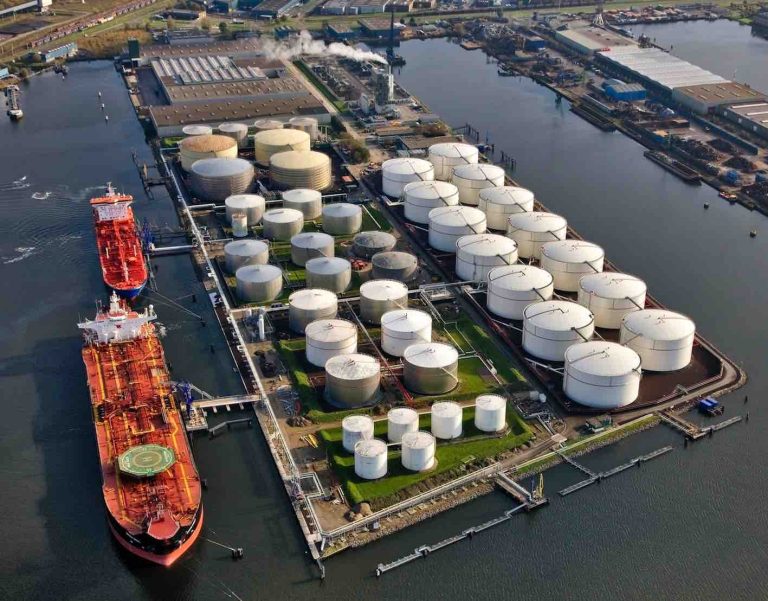
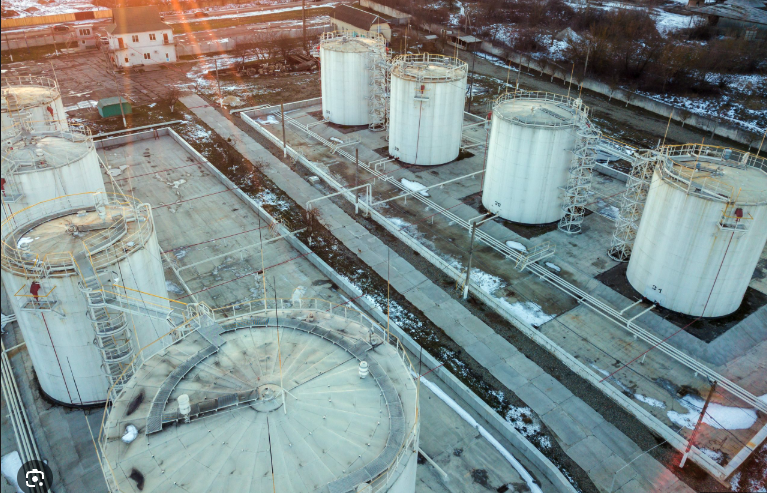
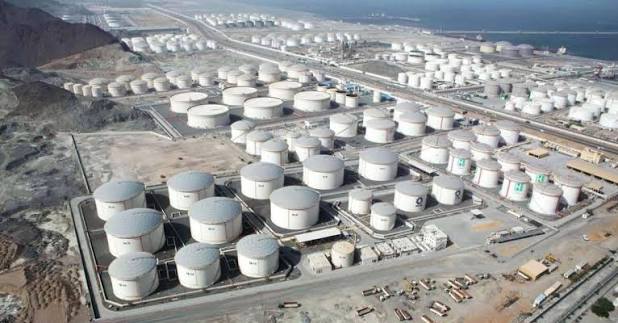
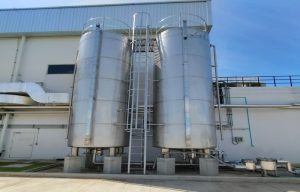
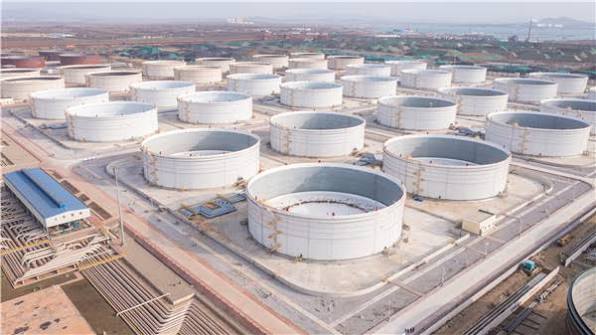
Petroleum storage facilities are purpose-built locations designed to store crude oil, refined petroleum products, and other liquid fuels safely before they are distributed to consumers or industrial users. These facilities are equipped with advanced storage tanks, monitoring systems, safety infrastructure, and logistics capabilities that ensure products remain secure and maintain their quality throughout the storage period.
Typical petroleum products stored include:
- Crude oil
- EN590 diesel
- Gasoline
- Aviation fuel
- Marine fuel
- Fuel oil
- Lubricants
- Petrochemical feedstocks
- Industrial fuels
Storage facilities are strategically located near ports, refineries, pipelines, transportation corridors, and industrial centres to support efficient movement of products across domestic and international markets.
The Link Between Storage and Energy Security
Energy security refers to the ability of a country or business to maintain a reliable, uninterrupted supply of energy resources. Interruptions can arise from natural disasters, political instability, equipment failures, supply chain disruptions, or unexpected increases in demand.
Petroleum storage facilities help reduce these risks by ensuring fuel remains available even when supply chains experience temporary disruptions. Instead of depending solely on continuous production or immediate imports, governments and businesses can rely on stored reserves to maintain operations while alternative supply arrangements are made.
This ability to balance supply and demand makes storage infrastructure one of the most important components of a resilient energy system.
Supporting Global Supply Chains
The global petroleum industry operates through an interconnected network of producers, refiners, shipping companies, distributors, and end users. Products often travel thousands of miles before reaching their final destination.
Petroleum storage facilities act as vital hubs within this network by providing temporary storage between each stage of the supply chain. They allow products to be received, inspected, stored, blended where necessary, and dispatched according to customer requirements.
Without adequate storage capacity, businesses would struggle to respond to changing market conditions, increasing the risk of delays, shortages, and unnecessary transportation costs.
Managing Market Volatility
The oil and gas industry is known for its fluctuating prices. Global events, weather conditions, production levels, and economic changes can all influence petroleum prices.
Storage facilities provide companies with greater flexibility by allowing them to purchase products when market conditions are favourable and store them until demand increases or prices improve. This strategic capability enables businesses to optimise inventory management while reducing exposure to short-term market volatility.
For energy traders and distributors, access to reliable storage can provide a significant commercial advantage.
Maintaining Product Quality
Petroleum products must be stored under carefully controlled conditions to preserve their quality and performance.
Modern petroleum storage facilities employ sophisticated monitoring systems that help protect products from contamination, moisture, excessive temperature variations, and other factors that could compromise quality.
Routine inspections, preventative maintenance, and strict operational procedures help ensure stored products remain suitable for distribution and meet applicable industry specifications.
This is particularly important for products such as EN590 diesel, where maintaining fuel quality is essential for customer satisfaction and regulatory compliance.
Strategic Storage During Emergencies
Unexpected events can disrupt energy supplies with little warning. Natural disasters, geopolitical conflicts, transportation disruptions, cyber incidents, and refinery outages all have the potential to affect fuel availability.
Petroleum storage facilities help mitigate these risks by maintaining reserve capacity that can be accessed during emergencies.
Strategic reserves provide valuable time for governments and businesses to restore normal supply chains while ensuring essential services continue to operate. Emergency responders, healthcare providers, transportation operators, utilities, and manufacturers all depend on reliable fuel supplies during periods of uncertainty.
By maintaining adequate storage capacity, countries strengthen their resilience and reduce the impact of unexpected disruptions.
Supporting International Trade
International trade depends heavily on efficient logistics and reliable infrastructure.
Petroleum storage facilities located near ports and shipping terminals enable products to move smoothly between vessels, pipelines, road transport, and rail networks.
These facilities support:
- Import and export operations
- Cargo consolidation
- Inventory management
- Product transfers
- Customs processing
- Distribution planning
Efficient storage infrastructure helps reduce vessel waiting times, improve operational efficiency, and facilitate the timely delivery of petroleum products to customers around the world.
Safety and Environmental Responsibility
Handling petroleum products requires the highest standards of safety and environmental protection.
Modern storage facilities are designed with multiple layers of protection to safeguard people, infrastructure, and the environment.
Common safety features include:
- Fire detection and suppression systems
- Spill containment measures
- Secondary containment structures
- Continuous monitoring systems
- Emergency response procedures
- Controlled site access
- Routine inspections and maintenance programmes
Environmental responsibility is equally important. Operators implement procedures to minimise emissions, prevent soil and water contamination, and ensure compliance with national and international regulations.
Responsible environmental stewardship not only protects surrounding communities but also strengthens long-term operational sustainability.
Innovation in Petroleum Storage
Technology continues to transform the way petroleum storage facilities operate.
Modern terminals increasingly utilise digital technologies to improve efficiency, enhance safety, and provide greater visibility into daily operations.
Innovations include:
- Automated tank gauging systems
- Remote monitoring
- Internet of Things (IoT) sensors
- Predictive maintenance
- Digital inventory management
- Real-time reporting
- Data-driven operational analytics
These technologies help operators identify potential issues early, reduce downtime, optimise maintenance schedules, and improve customer service through accurate inventory reporting.
As the energy sector evolves, digital transformation will continue to play an important role in improving storage operations.
Why Businesses Should Choose Experienced Storage Partners
Selecting a storage provider is about more than available tank capacity.
A reliable partner should demonstrate:
- Proven operational experience
- Modern storage infrastructure
- Strong safety culture
- Regulatory compliance
- Strategic locations
- Flexible storage options
- Efficient logistics support
- Transparent communication
- Commitment to customer service
Working with an experienced provider allows businesses to focus on their core operations while knowing their petroleum products are managed safely and professionally.
The Role of Northshore Storage Facilities Ltd
At Northshore Storage Facilities Ltd, we recognise the essential role petroleum storage plays in supporting global energy markets. Our commitment is to provide secure, reliable, and efficient storage solutions that help clients protect product quality, optimise supply chains, and meet evolving market demands.
Our services include petroleum storage facilities, modern storage tanks, EN590 storage solutions, tank leasing, and bulk liquid storage designed to support businesses across the energy sector. Through professional operational management, robust safety practices, and customer-focused service, we strive to deliver dependable storage solutions that support long-term business success.
Conclusion
Petroleum storage facilities are fundamental to maintaining a secure and reliable global energy supply. They provide the flexibility needed to balance supply and demand, protect fuel quality, support international trade, and improve resilience during unexpected disruptions.
As energy markets continue to evolve, businesses require storage partners capable of delivering safe operations, modern infrastructure, and dependable logistics support. Investing in high-quality storage solutions is not only an operational decision but also a strategic one that contributes to efficiency, business continuity, and sustainable growth.
Whether supporting international fuel traders, industrial organisations, or logistics providers, professionally managed petroleum storage facilities remain a cornerstone of global energy security.
Frequently Asked Questions
What is a petroleum storage facility?
A petroleum storage facility is a secure site designed to store crude oil, refined petroleum products, and other liquid fuels before distribution or further processing.
Why are petroleum storage facilities important?
They help maintain reliable fuel supplies, support international trade, improve supply chain efficiency, and provide resilience during supply disruptions.
What products can be stored in petroleum storage facilities?
Typical products include crude oil, EN590 diesel, gasoline, aviation fuel, marine fuel, lubricants, and other approved liquid petroleum products.
How do storage facilities maintain fuel quality?
Modern facilities use advanced monitoring systems, routine inspections, preventative maintenance, and strict operational procedures to protect products from contamination and degradation.
What industries benefit from petroleum storage facilities?
Oil and gas companies, fuel traders, shipping operators, logistics providers, industrial manufacturers, aviation companies, and government agencies all rely on petroleum storage infrastructure.