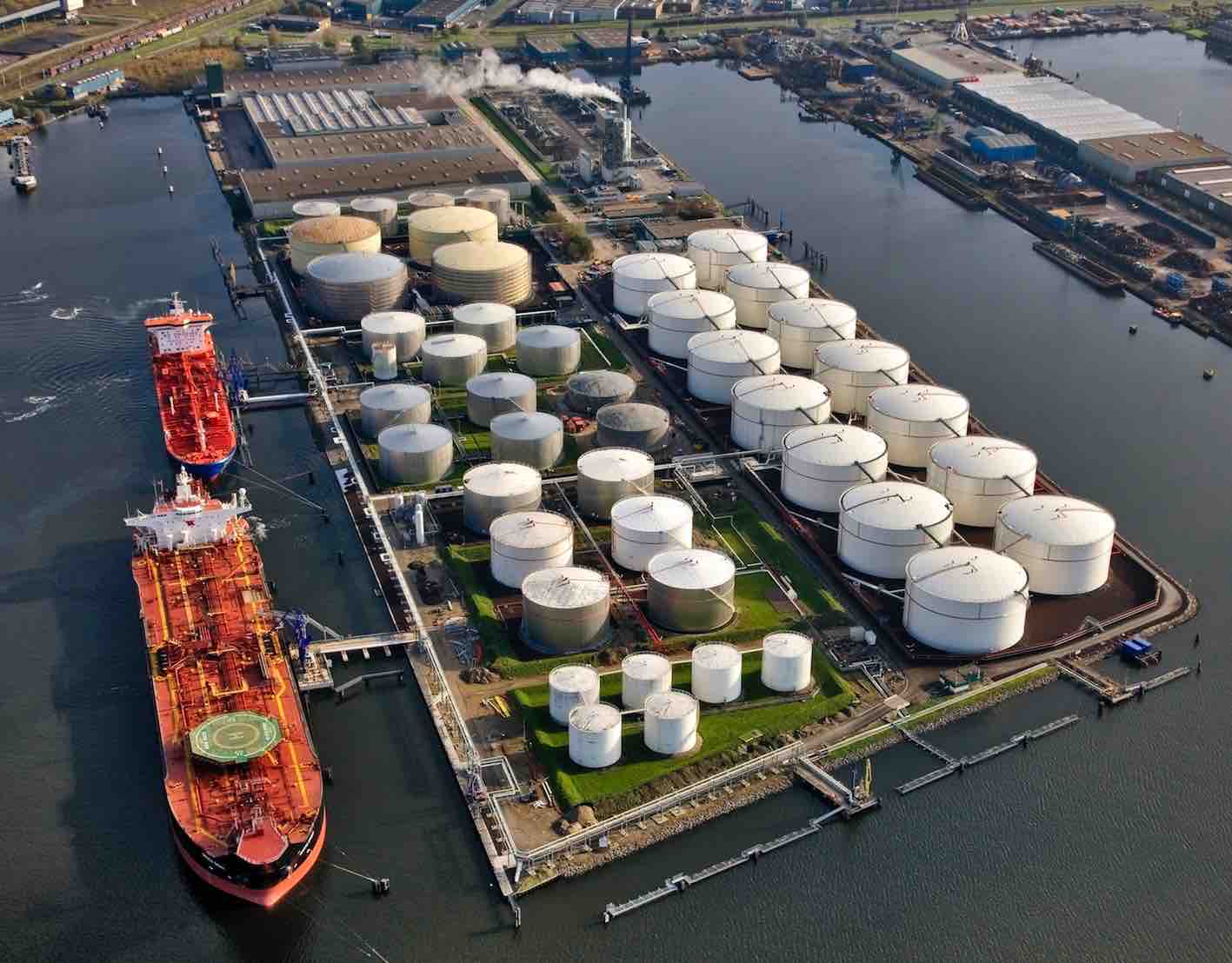
The global energy landscape is constantly evolving. Growing energy demand, expanding international trade, stricter environmental regulations, and technological innovation are transforming how petroleum products are produced, transported, and stored. At the heart of this transformation lies bulk liquid storage, an essential component of the global energy supply chain that ensures petroleum products remain available whenever and wherever they are needed.
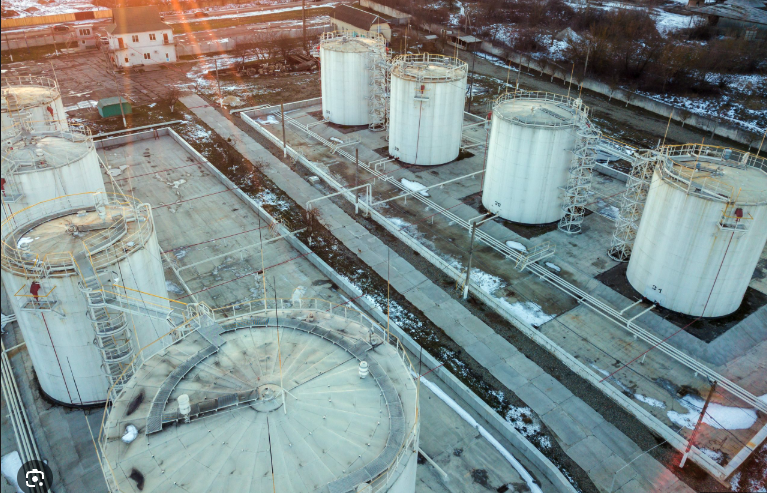
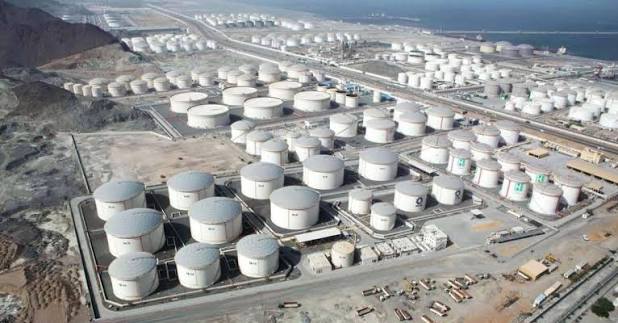
Modern bulk liquid storage facilities are no longer viewed simply as places to store fuel. They have become sophisticated logistics hubs equipped with advanced storage tanks, automated monitoring systems, digital inventory management, and integrated transportation networks that support efficient movement of crude oil, refined petroleum products, EN590 diesel, aviation fuel, marine fuels, and other liquid commodities.
As governments, energy companies, and investors continue to modernise infrastructure, bulk liquid storage will play an increasingly strategic role in supporting energy security, international trade, and sustainable economic growth. This article examines the emerging trends shaping the future of bulk liquid storage and how forward-thinking operators are preparing for tomorrow’s energy market.
The Growing Demand for Bulk Liquid Storage
Global demand for energy continues to increase as populations grow, industries expand, and international trade becomes more interconnected.
Although renewable energy sources are growing rapidly, petroleum products remain essential for:
- Aviation
- Marine transportation
- Heavy manufacturing
- Mining
- Agriculture
- Construction
- Logistics
- Emergency power generation
As a result, businesses require secure storage facilities capable of managing larger product volumes while maintaining high operational standards.
Strategically located petroleum storage facilities help balance supply and demand, ensuring customers receive uninterrupted access to essential fuels.
Strategic Storage Is Becoming More Important
Recent global events have demonstrated how vulnerable energy supply chains can be to unexpected disruptions.
Geopolitical tensions, severe weather, transportation delays, and market volatility have increased the importance of maintaining adequate storage capacity.
Modern storage facilities allow governments and commercial organisations to:
- Maintain strategic fuel reserves
- Improve supply chain resilience
- Respond quickly to emergencies
- Stabilise product availability
- Reduce market disruptions
As uncertainty continues to influence global energy markets, strategic storage infrastructure will remain an essential investment.
Digitalisation Is Transforming Storage Operations
One of the most significant trends affecting bulk liquid storage is digital transformation.
Storage operators are increasingly implementing smart technologies that provide greater operational visibility and control.
Examples include:
- Real-time inventory monitoring
- Cloud-based management platforms
- IoT-enabled storage tanks
- Remote operational monitoring
- Automated reporting systems
- Digital documentation
These technologies reduce manual processes while improving operational accuracy and customer service.
Digitalisation also enables operators to respond more quickly to changing market conditions.
Automation Improves Operational Efficiency
Automation is helping storage terminals achieve higher levels of efficiency than ever before.
Routine activities that once required manual intervention are now managed automatically.
Examples include:
- Tank level measurement
- Product transfer monitoring
- Valve control
- Pump operation
- Inventory updates
- Alarm management
Automation reduces human error while improving operational consistency and productivity.
As labour shortages continue to affect many industries, automation will become increasingly important for maintaining efficient terminal operations.
Sustainability Is Reshaping Storage Infrastructure
Environmental responsibility has become a major priority across the energy sector.
Modern petroleum storage facilities are investing in technologies that minimise environmental impact while maintaining operational excellence.
Examples include:
- Energy-efficient equipment
- Vapour recovery systems
- Improved insulation
- Leak detection technology
- Secondary containment systems
- Water conservation programmes
Sustainable infrastructure helps operators reduce emissions, minimise waste, and improve environmental performance while maintaining safe operations.
Smarter Storage Tanks Improve Reliability
Storage tanks continue to evolve through improved engineering and digital technology.
Modern tanks incorporate advanced features such as:
- Corrosion-resistant coatings
- Automated gauging systems
- Leak detection sensors
- Temperature monitoring
- Pressure management
- Overfill protection
These technologies extend equipment lifespan while reducing maintenance costs and improving product protection.
Reliable storage infrastructure remains fundamental to successful petroleum logistics.
Integration with Global Logistics Networks
Bulk liquid storage facilities are increasingly integrated into complex international logistics networks.
Modern terminals often connect directly with:
- Marine ports
- Pipeline systems
- Railway infrastructure
- Road transportation
- Distribution centres
- Industrial processing facilities
This connectivity allows products to move efficiently between producers, traders, distributors, and end users.
As international trade expands, logistics integration will become even more valuable.
Greater Focus on Inventory Visibility
Customers increasingly expect accurate, real-time information about stored products.
Digital inventory management systems now provide:
- Live stock levels
- Product movement tracking
- Delivery scheduling
- Historical inventory reports
- Customer access portals
Improved transparency enhances customer confidence while supporting better operational planning.
Storage providers capable of delivering reliable information gain a competitive advantage.
Preparing for Cleaner Energy Products
While petroleum remains a critical global energy source, storage facilities are also preparing for changing fuel requirements.
Many operators are investing in infrastructure capable of supporting:
- Low-sulphur fuels
- Biofuel blends
- Renewable diesel
- Sustainable aviation fuel
- Alternative liquid energy products
Future-ready storage facilities will be able to adapt to changing market demands without compromising operational efficiency.
Data Analytics Drives Better Decision-Making
Data has become one of the most valuable assets within modern petroleum storage operations.
Advanced analytics platforms help operators evaluate:
- Storage utilisation
- Customer demand
- Equipment performance
- Product movement
- Maintenance schedules
- Energy consumption
These insights support continuous operational improvement while helping businesses make informed strategic decisions.
Safety Will Continue to Lead Industry Development
No matter how technology evolves, safety will remain the highest priority within petroleum storage.
Future storage facilities will continue investing in:
- Artificial intelligence for risk detection
- Predictive maintenance
- Smart surveillance systems
- Automated emergency response
- Remote safety monitoring
- Enhanced fire protection
Combining technology with experienced personnel creates safer working environments while protecting valuable infrastructure.
The Role of Artificial Intelligence
Artificial Intelligence (AI) is beginning to influence terminal management in meaningful ways.
Future AI applications may include:
- Predictive demand forecasting
- Equipment failure prediction
- Automated scheduling
- Energy optimisation
- Intelligent maintenance planning
- Inventory optimisation
AI will help operators process large volumes of operational data more efficiently while supporting faster decision-making.
Building Resilient Energy Infrastructure
The future of the energy industry depends on resilient infrastructure capable of adapting to economic, technological, and environmental change.
Bulk liquid storage facilities provide flexibility that enables businesses to respond to market fluctuations while maintaining reliable fuel supplies.
Investments in modern storage infrastructure strengthen:
- National energy security
- International trade
- Supply chain resilience
- Business continuity
- Economic development
Reliable storage capacity remains one of the foundations of a stable global energy system.
Why Northshore Storage Facilities Ltd
At Northshore Storage Facilities Ltd, we understand that the future of petroleum storage requires continuous innovation, operational excellence, and a commitment to delivering reliable solutions for our customers.
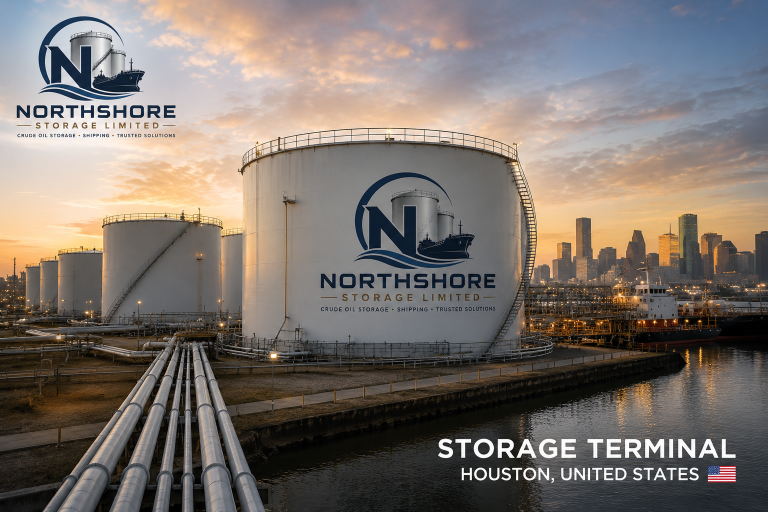
Our modern petroleum storage facilities combine advanced storage tanks, professional operational management, digital monitoring, and strategic logistics support to provide secure storage for crude oil, EN590 diesel, refined petroleum products, and other bulk liquid commodities.
As the energy industry continues to evolve, we remain committed to investing in technologies and operational practices that enhance safety, improve efficiency, and support the changing needs of global energy markets.
Conclusion
Bulk liquid storage has evolved into one of the most strategic elements of the global energy supply chain. As markets become more interconnected and customer expectations continue to grow, storage operators must embrace innovation while maintaining the highest standards of safety and operational excellence.
Digital transformation, automation, sustainability, smarter storage tanks, advanced logistics integration, and data-driven decision-making are reshaping the future of petroleum storage facilities. Companies that invest in these developments today will be better prepared to meet tomorrow’s challenges.
Northshore Storage Facilities Ltd is proud to support the energy industry through dependable storage infrastructure, modern operational practices, and customer-focused solutions that contribute to a safer, more efficient, and more resilient global energy network.
Frequently Asked Questions
What is bulk liquid storage?
Bulk liquid storage refers to the safe storage of large volumes of liquid products such as crude oil, diesel, gasoline, aviation fuel, chemicals, and other petroleum products within specialised storage facilities.
Why is bulk liquid storage important?
It supports energy security, stabilises supply chains, facilitates international trade, and ensures petroleum products remain available during periods of high demand or supply disruption.
How is technology changing petroleum storage?
Modern facilities use digital monitoring, automation, IoT sensors, predictive maintenance, cloud-based inventory management, and data analytics to improve efficiency and safety.
What role does sustainability play in storage facilities?
Sustainability initiatives help reduce emissions, improve energy efficiency, minimise waste, protect natural resources, and ensure compliance with environmental regulations.
How are storage facilities preparing for the future?
Operators are investing in smarter infrastructure, advanced storage tanks, automation, digital technologies, and flexible systems capable of supporting both traditional petroleum products and emerging low-carbon fuels.