Petroleum Storage Terminal Leasing Rotterdam Netherlands
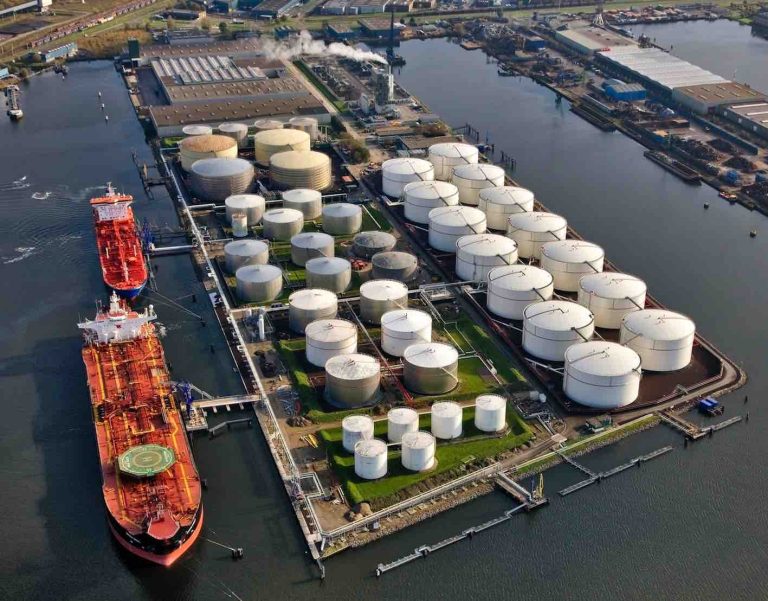
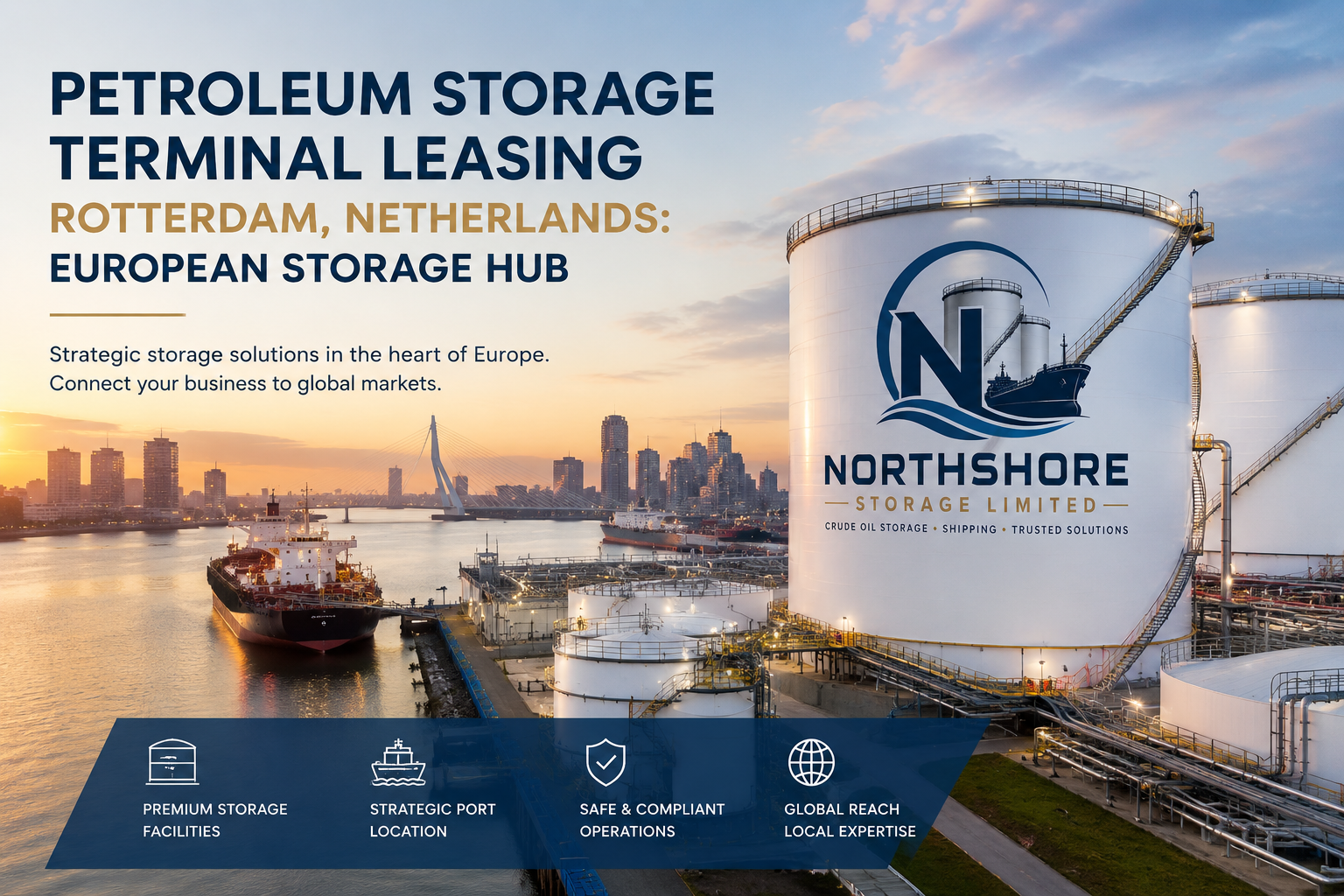
Rotterdam is one of Europe’s most important locations for petroleum storage, oil trading, refining and energy logistics. Strategically positioned on the North Sea, the Port of Rotterdam provides international access to European markets and serves as a major gateway for crude oil, refined petroleum products, chemicals, biofuels and other liquid bulk commodities.
For international traders, refiners, distributors, importers and energy companies, petroleum storage terminal leasing in Rotterdam, Netherlands can provide an efficient way to position products close to major European markets while maintaining access to maritime, pipeline, road and inland-waterway transportation.
At Northshore Storage Facilities Ltd, we support companies seeking practical petroleum storage and logistics solutions in strategic international energy hubs, including Rotterdam. Our objective is to help customers identify suitable storage arrangements according to product type, volume, location, duration and logistics requirements.
Why Rotterdam Is Europe’s Petroleum Storage Hub
The Port of Rotterdam is a major international trading and logistics centre for liquid bulk commodities. The port states that crude oil, petrol, diesel, biofuels and liquid chemicals are among the products handled through its extensive liquid-bulk infrastructure.
Its strategic location makes Rotterdam particularly attractive for companies involved in international petroleum trading.
Products entering Rotterdam can be stored, transferred, blended, distributed or transported onward to other European markets. Rotterdam’s infrastructure is also connected to important industrial and refining clusters across the Netherlands, Belgium and Germany.
The port’s crude-oil infrastructure illustrates the scale of this network. According to the Port of Rotterdam, approximately 95–100 million tonnes of crude oil enter Rotterdam annually, with flows serving refineries and markets in the Netherlands, Belgium and Germany.
This combination of port infrastructure, storage terminals, pipelines, refineries and distribution networks makes Rotterdam an important location for petroleum storage and logistics.
What Is Petroleum Storage Terminal Leasing?
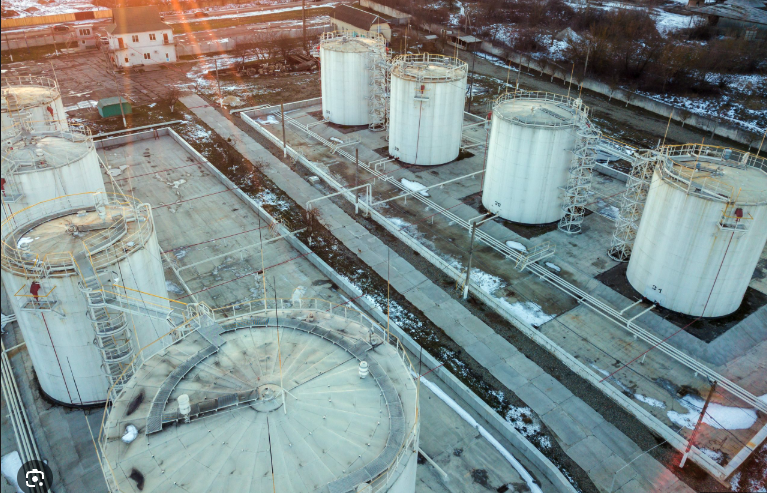
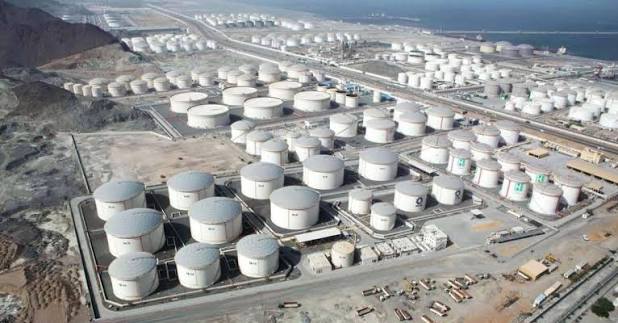
Petroleum storage terminal leasing involves securing tank capacity at a storage facility for a defined period and under agreed commercial and operational conditions.
Depending on the terminal and product, storage arrangements may be suitable for products such as:
- EN590 diesel
- Gas oil
- Jet A1
- Gasoline
- Fuel oil
- Naphtha
- Crude oil
- Base oils
- Biodiesel and other renewable fuels
- Other approved liquid petroleum products
The exact products accepted by a terminal depend on its tanks, equipment, safety requirements, permits and operating procedures.
For traders and distributors, leasing storage can provide greater flexibility than investing in their own tank farm. Companies can potentially position imported petroleum products close to customers and transportation infrastructure without constructing a new terminal.
Benefits of Leasing Petroleum Storage in Rotterdam
1. Access to European Markets
Rotterdam’s location provides access to important markets across Northwestern Europe.
Petroleum products stored in Rotterdam can potentially move through established transportation networks toward the Netherlands, Belgium, Germany and other European destinations, depending on the product and applicable logistics arrangements.
For international suppliers from Asia, the Middle East, North America or South America, Rotterdam can therefore function as an important European distribution point.
2. Strategic Maritime Location
Rotterdam’s deep-water port infrastructure supports large-scale maritime cargo movements.
The Port of Rotterdam states that crude-oil terminals are located in Europoort and Maasvlakte, with tank terminals connected to refineries through pipeline infrastructure.
For companies importing petroleum products by sea, proximity between vessel discharge facilities and storage infrastructure can be an important consideration when evaluating logistics costs and operational efficiency.
3. Pipeline and Refinery Connectivity
One of Rotterdam’s major advantages is the integration between storage, pipelines, refineries and industrial facilities.
The port’s infrastructure enables petroleum products to move between marine terminals, storage facilities and industrial destinations.
This connectivity can be particularly important for traders dealing with large quantities of crude oil, diesel, gasoline and other petroleum products.
4. Flexible Storage Solutions
Different businesses have different storage requirements.
A large petroleum trader may require significant tank capacity for several months, while a distributor may need smaller or shorter-term storage arrangements.
Terminal leasing can potentially provide flexibility according to:
- Product
- Quantity
- Storage duration
- Tank specifications
- Heating requirements
- Loading and unloading requirements
- Pipeline connectivity
- Vessel access
- Truck and barge distribution
- Blending requirements
The appropriate solution should always be confirmed directly with the relevant terminal operator.
Rotterdam and the ARA Energy Market
Rotterdam is commonly considered part of the Amsterdam-Rotterdam-Antwerp (ARA) energy and refining region.
This geographic position is particularly relevant to petroleum traders because it connects several major industrial and commercial centres in Northwestern Europe.
Storage within the Rotterdam region can therefore be considered not simply as warehouse space but as part of a wider petroleum supply chain.
Companies can use strategically positioned storage to manage imported inventory, support distribution programmes and coordinate deliveries to customers.
Petroleum Storage for International Traders
International petroleum trading requires more than finding available tank capacity.
A storage solution should fit the entire supply chain.
For example, a company importing EN590 diesel into Europe may need to consider:
- Origin of the cargo
- Vessel size and discharge requirements
- Available terminal capacity
- Tank specifications
- Product quality requirements
- Quantity to be stored
- Storage period
- Pipeline, truck or barge distribution
- Independent inspection requirements
- Applicable customs, environmental and regulatory requirements
This is why companies should evaluate storage and logistics together rather than treating tank capacity as an isolated service.
EN590 Diesel Storage in Rotterdam
EN590 diesel is one of the products frequently associated with European petroleum trading.
Businesses looking for EN590 storage facilities in Rotterdam should verify that the selected facility is approved and technically suitable for the specific product and required storage conditions.
Important considerations may include tank capacity, product segregation, contamination controls, loading infrastructure, inspection procedures and documentation.
Northshore Storage Facilities Ltd can assist companies looking for petroleum storage and logistics solutions based on their operational requirements.
Jet A1 and Aviation Fuel Storage
Rotterdam’s strategic position also makes it relevant to aviation-fuel supply chains.
Companies handling Jet A1 should consider specialised storage requirements, product quality controls, segregation and transportation arrangements.
Storage requirements for aviation fuel can differ significantly from those for conventional petroleum products, so companies should verify terminal specifications before entering into a storage agreement.
Storage Beyond Traditional Fossil Fuels
The energy industry is changing, and Rotterdam is investing heavily in energy-transition infrastructure.
The Port of Rotterdam’s current strategy includes developments involving hydrogen, sustainable fuels, carbon capture and storage, renewable energy and other emerging energy systems.
This transition means that Rotterdam’s importance as an energy hub is likely to extend beyond traditional petroleum products.
For storage companies and energy traders, this creates opportunities to consider infrastructure that can support both established petroleum supply chains and emerging energy products, subject to terminal capability and regulatory approval.
How to Choose a Petroleum Storage Terminal in Rotterdam
Before leasing tank capacity, buyers and traders should evaluate several factors.
Storage Capacity
Determine the exact quantity required and whether the terminal can accommodate the entire volume.
Product Compatibility
Confirm that the facility is authorised and technically equipped to store the specific petroleum product.
Location
Consider proximity to deep-water berths, pipelines, refineries, roads, inland waterways and end markets.
Loading and Discharge
Understand how products enter and leave the terminal and whether vessel, barge, rail or truck loading is available.
Contract Duration
Storage agreements may vary according to the customer’s requirements. Establish the expected storage period before requesting quotations.
Safety and Compliance
Petroleum storage involves significant safety, environmental and regulatory responsibilities. Businesses should verify the terminal’s operating standards, permits, insurance requirements and compliance documentation.
Inspection and Documentation
Independent inspection, quantity measurement and product-quality documentation may be important for international petroleum transactions.
Why Work With Northshore Storage Facilities Ltd?
Northshore Storage Facilities Ltd is a UK-based company focused on petroleum storage and logistics solutions for international clients.
We understand that companies trading petroleum products may need access to storage in strategically located international markets.
Our approach is designed to help clients identify suitable storage options according to their product, volume, destination and logistics requirements.
Whether you are searching for petroleum storage terminal leasing in Rotterdam, bulk liquid storage in Europe, EN590 diesel storage, Jet A1 storage or other petroleum logistics solutions, the first step is to define the precise operational requirement.
For international companies located in Europe, Asia, North America, South America, the Middle East or Australia, Rotterdam can provide a strategically positioned gateway into the European energy market.
Conclusion
Petroleum Storage Terminal Leasing Rotterdam Netherlands is an important consideration for companies involved in international oil trading, petroleum distribution and European energy logistics.
Rotterdam’s combination of deep-sea access, liquid-bulk infrastructure, storage terminals, pipeline connections, refineries and European distribution networks makes it a strategically important location for petroleum supply chains.
At the same time, Rotterdam is developing its energy infrastructure for the future, with major projects focused on hydrogen, sustainable fuels, carbon capture and other energy-transition technologies.
For businesses evaluating storage options, the best solution depends on the product, quantity, storage period, transportation requirements and compliance needs.
Northshore Storage Facilities Ltd can support companies seeking petroleum storage and logistics solutions in Rotterdam and other strategic international energy hubs.
Frequently Asked Questions
1. Why is Rotterdam important for petroleum storage?
Rotterdam is a major European liquid-bulk and energy hub with extensive maritime, storage, pipeline, refinery and distribution infrastructure. The Port of Rotterdam identifies crude oil, petrol, diesel, biofuels and chemicals among the major liquid-bulk products handled in the port.
2. What petroleum products can be stored in Rotterdam?
Depending on the terminal, products can include crude oil, diesel, EN590, gasoline, Jet A1, fuel oil, naphtha, biofuels and other approved liquid bulk products. Product compatibility must be confirmed with the specific terminal.
3. Can international companies lease petroleum storage in Rotterdam?
International companies can explore storage arrangements in Rotterdam, subject to terminal availability, commercial requirements, regulatory conditions and product compatibility.
4. Is Rotterdam suitable for EN590 diesel storage?
Rotterdam is a major European petroleum and liquid-bulk hub, making it a strategically relevant location for companies involved in diesel trading and distribution. The exact availability and suitability of EN590 storage must be confirmed with the selected terminal.
5. Can Jet A1 be stored in Rotterdam?
Specialised terminals may handle aviation fuel, but Jet A1 storage requires appropriate infrastructure, product controls and compliance procedures. Buyers should verify the terminal’s specific capabilities.
6. What should I provide when requesting tank storage?
A storage inquiry should normally specify the product, quantity, preferred location, required storage period, estimated arrival date, loading/discharge requirements and any special handling requirements.
7. Is Rotterdam connected to other European markets?
Yes. Rotterdam’s petroleum infrastructure is connected with major industrial and refining markets in Northwestern Europe. The Port of Rotterdam highlights pipeline connections supporting flows to refineries and markets in the Netherlands, Belgium and Germany.
8. Can Northshore Storage Facilities Ltd help with Rotterdam storage?
Northshore Storage Facilities Ltd can assist businesses seeking petroleum storage and logistics solutions based on their product, volume, location and operational requirements.
9. Is Rotterdam’s energy sector changing?
Yes. Rotterdam is actively developing infrastructure associated with hydrogen, sustainable fuels, carbon capture, renewable energy and other energy-transition initiatives while continuing to operate as a major energy and industrial hub.
10. How can I request petroleum storage information?
Contact Northshore Storage Facilities Ltd with your product type, required quantity, preferred storage period and logistics requirements. These details can be used to determine the most appropriate storage solution for your business.