Fuel quality is one of the most critical factors influencing the performance, reliability, and value of petroleum products. Whether storing crude oil, EN590 diesel, aviation fuel, marine fuels, or other refined petroleum products, maintaining product integrity throughout the storage period is essential for ensuring customer satisfaction, regulatory compliance, and operational efficiency.
As global fuel distribution networks become increasingly complex, petroleum products often remain in storage for extended periods before transportation or final use. During this time, factors such as moisture, temperature fluctuations, contamination, oxidation, and microbial growth can negatively affect product quality if storage conditions are not properly managed.
Professional petroleum storage facilities implement rigorous operational procedures and advanced monitoring technologies to preserve fuel quality while protecting valuable inventory. This article explores the best practices that help maintain fuel quality during long-term storage and explains why selecting a trusted storage partner is crucial for businesses operating within the global energy industry.
Why Fuel Quality Matters
Every petroleum product is manufactured to meet specific performance and regulatory standards. Customers rely on fuel that performs consistently, protects equipment, and complies with industry specifications.
Compromised fuel quality can result in:
- Equipment damage
- Reduced engine performance
- Increased maintenance costs
- Operational downtime
- Customer complaints
- Product rejection
- Financial losses
- Environmental risks
For products such as EN590 diesel, maintaining quality is particularly important because even minor contamination can affect combustion efficiency and engine reliability.
Protecting fuel quality is therefore not only a technical requirement but also an essential business responsibility.
Common Threats to Fuel Quality
Understanding the factors that affect stored petroleum products allows operators to implement effective preventative measures.
Water Contamination
Water is one of the most common causes of fuel deterioration.
Moisture may enter storage tanks through condensation, damaged seals, poor handling procedures, or contaminated deliveries.
Water contamination can lead to:
- Corrosion
- Microbial growth
- Fuel instability
- Reduced combustion performance
- Filter blockages
Routine inspections and proper drainage systems help minimise this risk.
Oxidation
Exposure to oxygen causes certain petroleum products to oxidise gradually over time.
Oxidation may produce gums, sediments, and other unwanted compounds that reduce fuel quality.
Professional storage facilities minimise oxidation by limiting unnecessary exposure to air and maintaining suitable storage conditions.
Microbial Growth
Where water and fuel coexist, microorganisms such as bacteria and fungi may develop.
Microbial contamination can produce sludge, clog filters, damage storage tanks, and accelerate corrosion.
Routine monitoring, water removal, and scheduled tank cleaning help prevent microbial activity from affecting stored fuel.
Particulate Contamination
Dust, rust particles, and foreign materials may enter storage systems during transportation or transfer operations.
Although often microscopic, these contaminants can affect fuel performance and damage sensitive equipment.
Modern petroleum storage facilities implement strict product handling procedures and filtration systems to reduce contamination.
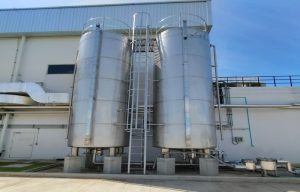
Selecting the Right Storage Tanks
The design and condition of storage tanks have a direct influence on fuel quality.
Modern storage tanks are engineered to protect products while supporting efficient inspection and maintenance activities.
Important considerations include:
- Tank construction materials
- Internal protective coatings
- Corrosion resistance
- Vapour control systems
- Proper ventilation
- Secure access points
- Effective drainage systems
Well-maintained storage tanks reduce contamination risks while extending infrastructure lifespan.
Temperature Control and Environmental Conditions
Temperature changes can significantly affect petroleum products during long-term storage.
Frequent heating and cooling cycles encourage condensation, increasing the likelihood of water accumulation inside storage tanks.
Professional storage operators minimise these effects by:
- Monitoring ambient temperatures
- Inspecting tank conditions regularly
- Managing ventilation appropriately
- Reducing unnecessary temperature fluctuations where possible
Stable storage environments contribute to improved product preservation.
Routine Inspection and Monitoring
Preventative maintenance is far more effective than responding to product quality issues after they occur.
Routine inspection programmes help identify potential problems before they affect stored fuel.
Inspection activities typically include:
- Measuring tank levels
- Checking water accumulation
- Inspecting seals and fittings
- Monitoring product appearance
- Recording temperature readings
- Reviewing inventory reports
- Inspecting safety systems
Consistent monitoring supports early intervention and reduces operational risks.
Tank Cleaning and Preventative Maintenance
Even well-managed storage tanks require periodic cleaning.
Over time, small quantities of sediment, water, or other contaminants may accumulate at the bottom of tanks.
Professional cleaning programmes help:
- Remove accumulated sludge
- Reduce microbial growth
- Protect product quality
- Improve inspection accuracy
- Extend tank service life
- Maintain operational efficiency
Preventative maintenance also includes inspecting valves, piping, gauges, and associated equipment to ensure continued safe operation.
Proper Product Handling Procedures
Fuel quality depends not only on storage conditions but also on how products are handled throughout receiving and dispatch operations.
Best practices include:
- Verifying incoming product quality
- Using dedicated transfer equipment
- Preventing cross-contamination
- Following documented operating procedures
- Training operational personnel
- Maintaining accurate inventory records
Every stage of product movement should support the preservation of fuel quality.
The Importance of Digital Monitoring
Technology has become an essential component of modern petroleum storage.
Digital monitoring systems provide operators with real-time information that supports better decision-making.
Modern systems monitor:
- Tank levels
- Temperature
- Pressure
- Product movement
- Alarm conditions
- Inventory status
Automated reporting also improves traceability and helps demonstrate compliance with customer and regulatory requirements.
Supporting EN590 Diesel Storage
EN590 diesel is one of the most widely traded refined petroleum products globally.
Its performance characteristics depend on maintaining strict quality standards throughout storage and transportation.
Professional EN590 storage facilities implement additional quality control measures, including:
- Dedicated storage tanks
- Product sampling
- Routine laboratory testing
- Moisture monitoring
- Controlled transfer procedures
- Scheduled inspections
These measures help preserve diesel quality from receipt through final distribution.
Safety and Quality Go Hand in Hand
Maintaining fuel quality also supports safer operations.
Clean, properly stored products reduce the likelihood of equipment failures, leaks, and operational disruptions.
Storage facilities that prioritise safety typically maintain:
- Fire protection systems
- Spill containment infrastructure
- Emergency response plans
- Environmental monitoring
- Controlled access
- Preventative maintenance programmes
Quality management and safety management are closely connected within professionally operated petroleum storage facilities.
Choosing a Reliable Storage Partner
Businesses storing valuable petroleum products should carefully evaluate potential storage providers.
Important considerations include:
- Modern storage infrastructure
- Experience within the petroleum industry
- Strong safety record
- Quality assurance procedures
- Environmental compliance
- Strategic location
- Flexible storage capacity
- Professional operational support
Selecting an experienced provider helps protect both products and business reputation.
Why Northshore Storage Facilities Ltd
At Northshore Storage Facilities Ltd, we understand that preserving fuel quality requires more than simply providing storage space. It requires disciplined operational procedures, experienced personnel, advanced storage infrastructure, and an unwavering commitment to safety and quality.
Our petroleum storage facilities are designed to support the secure storage of crude oil, EN590 diesel, refined petroleum products, and other bulk liquid commodities. Through modern storage tanks, continuous monitoring, preventative maintenance, and professional operational management, we help customers maintain product integrity throughout the storage lifecycle.
Whether you require short-term storage, long-term tank leasing, or integrated petroleum logistics support, our team is committed to delivering dependable solutions that meet the highest industry standards.
Conclusion
Maintaining fuel quality during long-term storage is essential for protecting product value, supporting operational efficiency, and ensuring customer satisfaction. Effective storage practices minimise contamination, preserve product performance, and reduce unnecessary maintenance costs while supporting safe and environmentally responsible operations.
Modern petroleum storage facilities combine advanced storage tank technology, digital monitoring, preventative maintenance, and rigorous quality control procedures to ensure petroleum products remain in excellent condition throughout the storage period.
By partnering with a trusted provider such as Northshore Storage Facilities Ltd, businesses can confidently store petroleum products knowing their inventory is protected by reliable infrastructure, experienced professionals, and industry-leading operational standards.
Frequently Asked Questions
Why is fuel quality important during storage?
Maintaining fuel quality helps preserve product performance, reduces equipment wear, supports regulatory compliance, and protects customer satisfaction.
What causes fuel contamination?
Common causes include water ingress, oxidation, microbial growth, particulate contamination, and poor product handling practices.
How often should storage tanks be inspected?
Inspection frequency depends on operational requirements and regulations, but regular inspections are essential for identifying issues before they affect product quality.
Why are dedicated EN590 storage facilities important?
Dedicated facilities help prevent contamination, preserve fuel specifications, and maintain compliance with recognised diesel quality standards.
How do modern petroleum storage facilities maintain fuel quality?
They utilise advanced storage tanks, routine inspections, digital monitoring systems, preventative maintenance, quality assurance procedures, and trained operational personnel to protect stored petroleum products.