The global oil and gas industry relies on dependable infrastructure to ensure petroleum products are stored, protected, and distributed efficiently. Whether transporting crude oil across international markets or maintaining strategic fuel reserves, businesses need a storage partner they can trust to safeguard valuable products while supporting uninterrupted operations.
Selecting the right petroleum storage facilities is about much more than finding available storage capacity. It involves evaluating safety standards, operational expertise, logistics capabilities, infrastructure quality, regulatory compliance, and customer support. A well-chosen storage provider can improve operational efficiency, reduce business risks, and strengthen supply chain resilience, while the wrong choice can lead to costly delays, quality issues, and reputational damage.
This guide outlines the essential factors every energy company should consider when selecting a petroleum storage partner.
Why Your Storage Partner Matters
Petroleum products often represent significant financial investment. Whether storing crude oil, EN590 diesel, aviation fuel, marine fuels, or refined petroleum products, businesses need confidence that their inventory is protected throughout the storage period.
Professional storage facilities provide more than physical space. They become an extension of your supply chain, ensuring products remain secure, properly maintained, and available whenever required.
A reliable storage partner helps organisations:
- Maintain consistent product quality
- Improve inventory management
- Reduce operational risks
- Support efficient logistics
- Meet customer delivery schedules
- Strengthen business continuity
The right partnership contributes directly to long-term operational success.
Evaluate the Location of the Facility
Location is one of the most important considerations when selecting a storage provider.
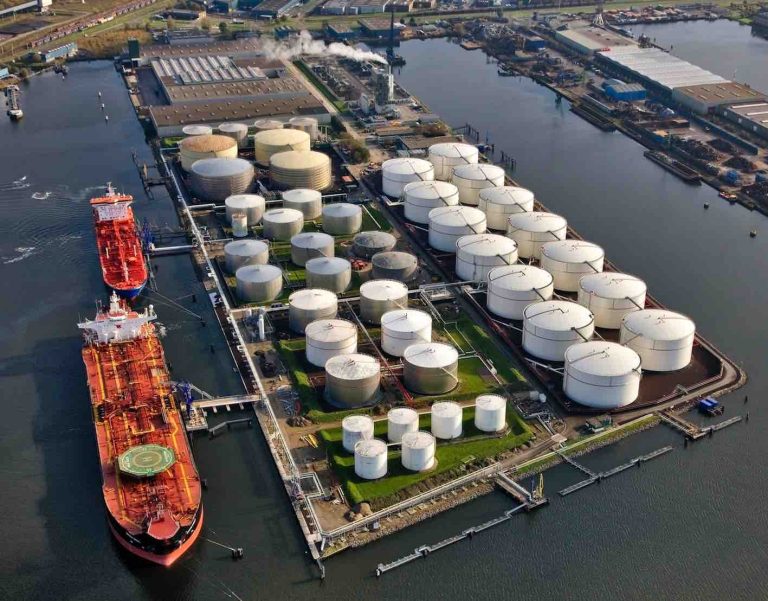
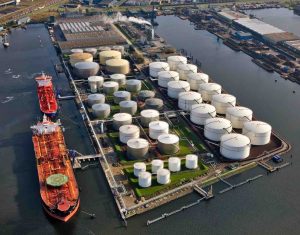
Facilities positioned near major ports, shipping terminals, rail networks, pipelines, and road transport routes allow products to move more efficiently between suppliers and customers.
A strategically located storage facility offers several advantages:
- Faster product distribution
- Reduced transportation costs
- Improved access to export markets
- Better logistics coordination
- Reduced vessel waiting times
- Enhanced supply chain flexibility
For businesses involved in international petroleum trading, proximity to marine terminals can significantly improve operational efficiency.
Assess Storage Capacity and Scalability
Every business has unique storage requirements that may change over time.
An effective storage partner should provide sufficient capacity to meet current operational needs while also supporting future growth.
When assessing capacity, consider:
- Available storage volume
- Multiple tank sizes
- Short-term storage options
- Long-term tank leasing
- Flexible storage agreements
- Ability to accommodate seasonal demand
Scalable storage solutions allow businesses to respond quickly to changing market conditions without unnecessary capital investment.
Examine Storage Tank Infrastructure
The quality of storage tanks directly influences product protection and operational reliability.
Modern storage tanks should be designed to support safe storage while preserving fuel quality.
Important features include:
- Corrosion-resistant construction
- Automated tank gauging
- Leak detection systems
- Overfill protection
- Fire suppression infrastructure
- Routine maintenance programmes
- Vapour control systems
Well-maintained storage infrastructure reduces operational risks while extending equipment lifespan.
Prioritise Safety Standards
Safety should never be compromised when selecting a petroleum storage provider.
Professional facilities maintain comprehensive safety management systems designed to protect personnel, customers, infrastructure, and surrounding communities.
Key safety measures include:
- Fire detection and suppression systems
- Emergency response procedures
- Controlled site access
- Continuous monitoring
- Equipment inspections
- Preventative maintenance
- Staff safety training
A strong safety culture demonstrates an operator’s commitment to responsible petroleum storage.
Verify Regulatory Compliance
The petroleum industry operates within a highly regulated environment.
Businesses should ensure their storage provider complies with all applicable industry standards and regulatory requirements.
Compliance typically includes:
- Environmental regulations
- Safety standards
- Operational procedures
- Product handling requirements
- Equipment inspections
- Emergency preparedness
Working with a compliant provider reduces legal risks while protecting both products and corporate reputation.
Consider Technology and Digital Capabilities
Technology has transformed modern petroleum storage operations.
Storage providers increasingly utilise digital systems that improve inventory management, operational visibility, and customer service.
Useful technologies include:
- Real-time inventory reporting
- Automated tank monitoring
- Digital documentation
- Remote operational monitoring
- Predictive maintenance
- Electronic reporting systems
Digital capabilities provide customers with greater transparency while supporting faster operational decision-making.
Evaluate Operational Experience
Experience matters.
A provider with extensive knowledge of petroleum storage understands the complexities associated with handling valuable liquid commodities safely and efficiently.
Experienced operators are better equipped to manage:
- Product transfers
- Inventory control
- Emergency situations
- Customer requirements
- Regulatory inspections
- Operational planning
Their expertise contributes to smoother day-to-day operations and improved customer confidence.
Review Product Handling Procedures
Safe and efficient product handling is essential for maintaining fuel quality.
Professional storage operators implement detailed procedures covering:
- Product receipt
- Quality inspection
- Sampling
- Inventory management
- Loading operations
- Product dispatch
These procedures minimise contamination risks while supporting accurate inventory control.
Assess Environmental Responsibility
Environmental stewardship has become an essential part of modern petroleum storage.
Responsible operators invest in infrastructure and procedures that minimise environmental impact while protecting surrounding communities.
Look for facilities that demonstrate:
- Spill prevention systems
- Secondary containment
- Vapour recovery technology
- Waste management programmes
- Routine environmental monitoring
- Sustainability initiatives
Environmental responsibility reflects strong operational discipline and long-term business commitment.
Evaluate Customer Service and Communication
Effective communication strengthens every business relationship.
Your storage provider should offer:
- Responsive customer support
- Clear reporting
- Accurate documentation
- Regular operational updates
- Flexible scheduling
- Transparent communication
Reliable customer service ensures issues are resolved quickly while improving overall operational efficiency.
Look for Flexible Tank Leasing Options
Not every business requires permanent storage infrastructure.
Flexible tank leasing allows companies to adjust storage capacity according to changing business requirements.
Benefits include:
- Reduced capital expenditure
- Improved financial flexibility
- Support for seasonal demand
- Short-term project storage
- Long-term strategic storage
- Simplified operational planning
Tank leasing enables businesses to focus on growth while avoiding the costs associated with building private storage infrastructure.
Why Long-Term Partnerships Deliver Greater Value
Selecting a storage provider should be viewed as establishing a long-term business relationship rather than simply renting storage space.
Long-term partnerships create benefits such as:
- Improved operational coordination
- Greater familiarity with customer requirements
- Better planning
- Consistent service quality
- Enhanced business continuity
- Stronger supply chain resilience
Working closely with a trusted storage provider creates efficiencies that benefit both parties over time.
Why Northshore Storage Facilities Ltd
At Northshore Storage Facilities Ltd, we understand that every customer requires dependable storage solutions backed by operational excellence and exceptional service.
Our modern petroleum storage facilities provide secure storage for crude oil, EN590 diesel, refined petroleum products, and other bulk liquid commodities. Through advanced storage tanks, professional operational management, robust safety procedures, and customer-focused service, we help clients optimise their supply chains while protecting valuable inventory.
Whether your organisation requires temporary storage, long-term tank leasing, or integrated petroleum logistics support, our experienced team is committed to delivering flexible, reliable, and efficient storage solutions tailored to your operational requirements.
Conclusion
Choosing the right storage partner is one of the most important decisions an energy company can make. Beyond providing storage capacity, the right provider becomes a trusted logistics partner that helps protect products, improve efficiency, reduce operational risks, and support long-term business growth.
By carefully evaluating location, storage infrastructure, safety standards, compliance, technology, operational experience, and customer service, businesses can identify storage partners capable of supporting both current operations and future expansion.
Northshore Storage Facilities Ltd is committed to delivering secure petroleum storage facilities, modern storage tanks, and professional logistics services that help businesses operate with confidence in today’s dynamic global energy market.
Frequently Asked Questions
Why is choosing the right storage partner important?
A reliable storage partner helps protect petroleum products, improve supply chain efficiency, maintain fuel quality, and reduce operational risks.
What should I consider when selecting a petroleum storage facility?
Important considerations include location, storage capacity, safety standards, regulatory compliance, storage tank quality, technology, customer service, and operational experience.
Why is facility location important?
Strategically located storage facilities reduce transportation costs, improve logistics efficiency, and provide better access to shipping routes and international markets.
What are the benefits of tank leasing?
Tank leasing offers flexible storage capacity, lower capital costs, scalability, and improved financial efficiency compared to constructing private storage infrastructure.
How do professional storage facilities protect petroleum products?
Modern facilities utilise advanced storage tanks, routine inspections, digital monitoring, preventative maintenance, quality assurance procedures, and strict operational controls.