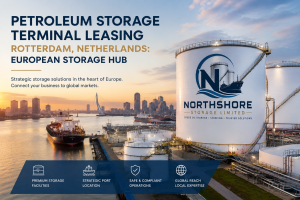
The global energy industry is undergoing significant transformation. While petroleum products continue to power transportation, manufacturing, aviation, shipping, and industrial operations, businesses are also expected to operate responsibly by protecting the environment and reducing their ecological footprint. For companies involved in fuel storage and logistics, environmental stewardship is no longer optional—it is a core business responsibility.
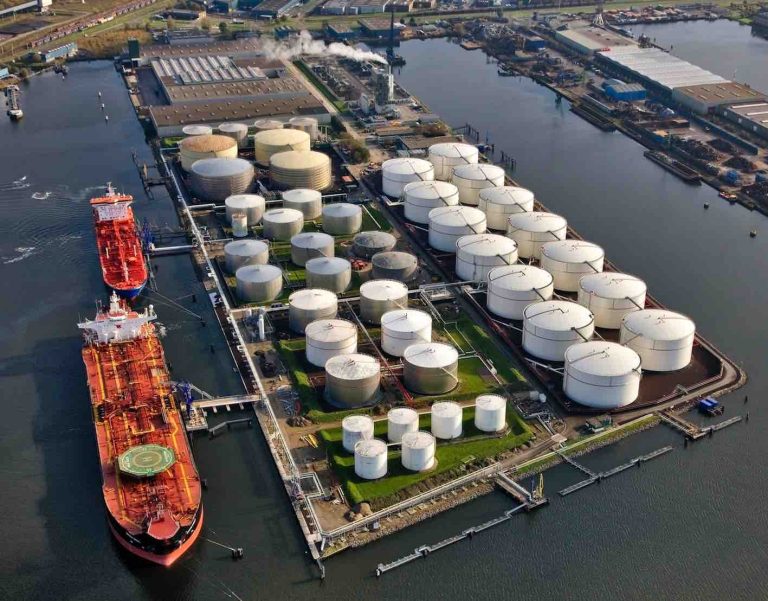
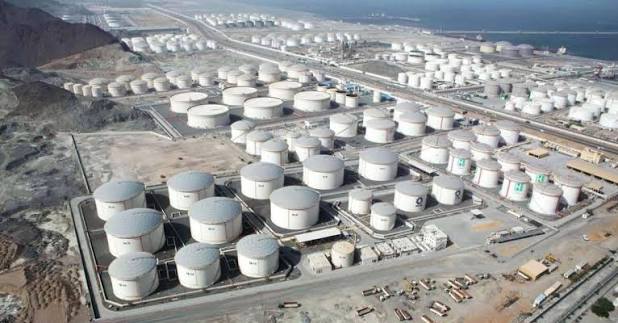
Modern petroleum storage facilities play an important role in ensuring that crude oil, refined petroleum products, and bulk liquid fuels are stored safely while minimising environmental risks. Through advanced engineering, strict operational procedures, and continuous investment in modern infrastructure, storage operators can protect natural resources while maintaining the highest standards of safety and efficiency.
This article explores how environmental responsibility is integrated into petroleum storage operations and why sustainable practices are essential for the future of the oil and gas industry.
The Growing Importance of Environmental Responsibility
Communities, regulators, investors, and customers increasingly expect energy companies to demonstrate environmental accountability.
Responsible petroleum storage goes beyond complying with regulations. It reflects a long-term commitment to protecting ecosystems, reducing operational risks, conserving resources, and supporting sustainable business growth.
Modern storage operators understand that environmental protection and operational excellence are closely connected. Facilities that maintain high environmental standards often experience fewer operational disruptions, lower maintenance costs, improved safety performance, and stronger customer confidence.
Environmental Risks Associated with Petroleum Storage
Although petroleum storage is essential for maintaining reliable fuel supplies, it also requires careful management to prevent environmental harm.
Potential environmental risks include:
- Product spills
- Groundwater contamination
- Soil pollution
- Vapour emissions
- Stormwater contamination
- Fire-related incidents
- Improper waste disposal
Without effective controls, these risks can affect surrounding communities, wildlife, and natural resources while creating significant financial and reputational consequences for operators.
Fortunately, advances in technology and operational management have greatly reduced these risks across modern petroleum storage facilities.
Modern Storage Tanks Designed for Environmental Protection
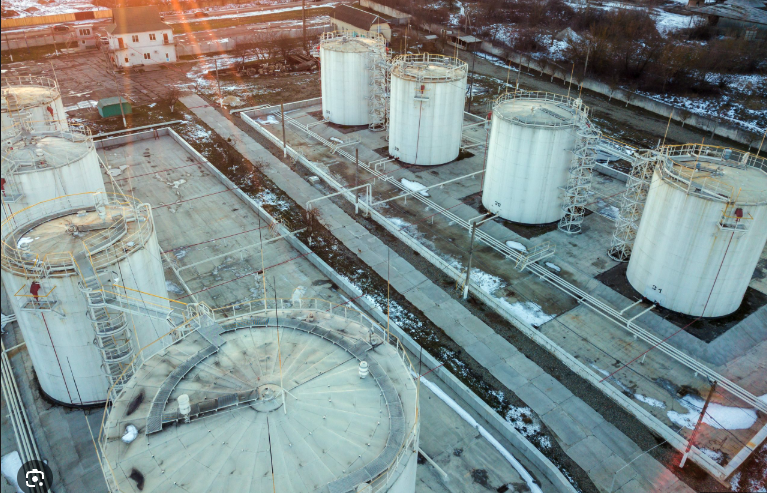
Today’s storage tanks are engineered with environmental protection as a primary design objective.
Unlike older systems, modern storage tanks incorporate multiple features that help prevent accidental releases while preserving product quality.
These include:
- Corrosion-resistant materials
- Double-protection systems
- High-integrity welding standards
- Automated overfill prevention
- Leak detection technology
- Continuous level monitoring
- Pressure control systems
Regular inspections and preventative maintenance further ensure that storage tanks continue operating safely throughout their service life.
Secondary Containment Systems
One of the most effective environmental safeguards within petroleum storage facilities is secondary containment.
Secondary containment structures are designed to capture petroleum products if an unexpected leak or spill occurs.
Common containment measures include:
- Reinforced containment bunds
- Concrete containment walls
- Drainage control systems
- Spill collection areas
- Emergency isolation valves
These protective systems help prevent petroleum products from reaching nearby land, rivers, or groundwater.
Spill Prevention and Emergency Preparedness
Preventing spills remains one of the highest priorities for every storage operator.
Professional facilities implement comprehensive spill prevention programmes supported by routine inspections, staff training, and emergency response planning.
Typical preventative measures include:
- Regular equipment inspections
- Safe loading and unloading procedures
- Product transfer monitoring
- Clearly documented operating procedures
- Emergency shutdown systems
- Routine maintenance schedules
Operators also conduct emergency response exercises to ensure personnel can respond quickly and effectively should an incident occur.
Preparedness significantly reduces both environmental impact and operational downtime.
Managing Vapour Emissions
Certain petroleum products naturally release vapours during storage and handling.
Modern storage facilities utilise specialised vapour control systems that minimise emissions while improving workplace safety.
Common technologies include:
- Floating roof storage tanks
- Vapour recovery units
- Pressure relief systems
- Sealed transfer equipment
- Controlled venting systems
These technologies reduce product losses while helping operators meet environmental regulations regarding air quality.
Protecting Water Resources
Water protection is a fundamental aspect of environmentally responsible petroleum storage.
Storage facilities implement several measures to prevent contamination of surface water and groundwater.
These include:
- Stormwater management systems
- Controlled drainage infrastructure
- Routine inspection of drainage channels
- Oil-water separation equipment
- Spill response procedures
Proper water management protects nearby ecosystems while ensuring compliance with environmental standards.
Waste Management and Resource Conservation
Every petroleum storage facility generates operational waste that must be managed responsibly.
Examples include:
- Cleaning materials
- Used filters
- Maintenance waste
- Packaging materials
- Sludge removed during tank cleaning
Modern facilities develop waste management programmes focused on:
- Waste reduction
- Recycling where possible
- Safe disposal
- Regulatory compliance
- Resource conservation
Responsible waste management supports both environmental performance and operational efficiency.
Preventative Maintenance Supports Sustainability
Well-maintained equipment is less likely to fail unexpectedly.
Routine preventative maintenance not only improves reliability but also helps reduce environmental risks.
Maintenance programmes typically include:
- Tank inspections
- Pipeline inspections
- Valve servicing
- Corrosion monitoring
- Instrument calibration
- Structural integrity assessments
Early identification of potential issues allows repairs to be completed before they develop into larger operational problems.
Digital Technology and Environmental Monitoring
Technology is transforming environmental management across the petroleum industry.
Modern facilities increasingly utilise digital monitoring systems that provide real-time operational visibility.
These systems monitor:
- Tank levels
- Pressure
- Temperature
- Leak detection
- Vapour emissions
- Equipment performance
Continuous monitoring enables operators to identify abnormalities quickly and take corrective action before environmental impacts occur.
Digital reporting also improves transparency and supports regulatory compliance.
Employee Training and Safety Culture
Technology alone cannot ensure environmental protection.
People remain one of the most important factors in maintaining safe petroleum storage operations.
Successful facilities invest heavily in employee development through:
- Environmental awareness training
- Safe operating procedures
- Emergency response drills
- Incident reporting programmes
- Continuous professional development
A strong safety culture encourages every employee to recognise environmental protection as a shared responsibility.
Supporting Sustainable Energy Infrastructure
As the global energy sector evolves, petroleum storage facilities continue to adapt.
Modern infrastructure is increasingly designed to accommodate cleaner fuels, improve operational efficiency, and reduce environmental impact.
Future developments may include:
- Improved energy-efficient equipment
- Renewable energy integration
- Reduced emissions technologies
- Enhanced automation
- Smarter environmental monitoring
- Greater resource efficiency
These improvements help ensure petroleum storage remains compatible with evolving sustainability objectives while continuing to support reliable global energy supplies.
Choosing an Environmentally Responsible Storage Partner
Businesses selecting a storage provider should consider environmental performance alongside operational capability.
Important questions include:
- Does the facility maintain modern storage infrastructure?
- Are preventative maintenance programmes in place?
- How are spills prevented?
- What environmental monitoring systems are utilised?
- Does the operator demonstrate strong regulatory compliance?
- Are emergency response procedures regularly reviewed?
- Is sustainability integrated into daily operations?
Choosing a responsible storage partner protects products, supports business continuity, and strengthens corporate reputation.
Northshore Storage Facilities Ltd’s Commitment to Environmental Responsibility
At Northshore Storage Facilities Ltd, environmental stewardship forms an integral part of our operational philosophy. We recognise that secure petroleum storage must be delivered responsibly, protecting both valuable products and the surrounding environment.
Our modern petroleum storage facilities utilise advanced storage tanks, robust safety systems, preventative maintenance programmes, and continuous operational monitoring to minimise environmental risks while maintaining high levels of efficiency.
We remain committed to responsible resource management, regulatory compliance, and continuous improvement, ensuring our clients receive dependable storage solutions that reflect the highest standards of environmental care and operational excellence.
Conclusion
Environmental responsibility has become a defining characteristic of modern petroleum storage facilities. By combining advanced engineering, preventative maintenance, digital monitoring, spill prevention systems, and well-trained personnel, today’s storage operators can deliver safe and reliable services while protecting natural resources.
Sustainability is not achieved through a single initiative but through a continuous commitment to responsible operations, investment in modern infrastructure, and a culture that prioritises both safety and environmental protection.
For organisations seeking dependable petroleum storage solutions, choosing a provider with a strong environmental commitment offers confidence that products will be stored securely, responsibly, and in accordance with recognised industry best practices.
Northshore Storage Facilities Ltd remains dedicated to delivering environmentally responsible storage solutions that support the evolving needs of the global energy industry.
Frequently Asked Questions
Why is environmental responsibility important in petroleum storage?
It helps protect natural resources, reduce operational risks, maintain regulatory compliance, and ensure safe handling of petroleum products throughout the storage process.
How do modern petroleum storage facilities prevent environmental contamination?
Modern facilities use leak detection systems, secondary containment structures, spill prevention procedures, digital monitoring, and routine inspections to minimise environmental risks.
What is secondary containment?
Secondary containment is a protective system designed to contain petroleum products if a storage tank or pipeline experiences an unexpected leak, preventing contamination of surrounding land and water.
How does technology improve environmental protection?
Digital monitoring systems provide real-time information on tank levels, pressure, temperature, and equipment performance, enabling operators to detect and resolve potential issues quickly.
What should businesses look for when selecting a storage provider?
Businesses should evaluate safety standards, environmental practices, storage infrastructure, operational experience, regulatory compliance, and the provider’s commitment to continuous improvement.